Nocturnal Visitors
Nocturnal Visitors
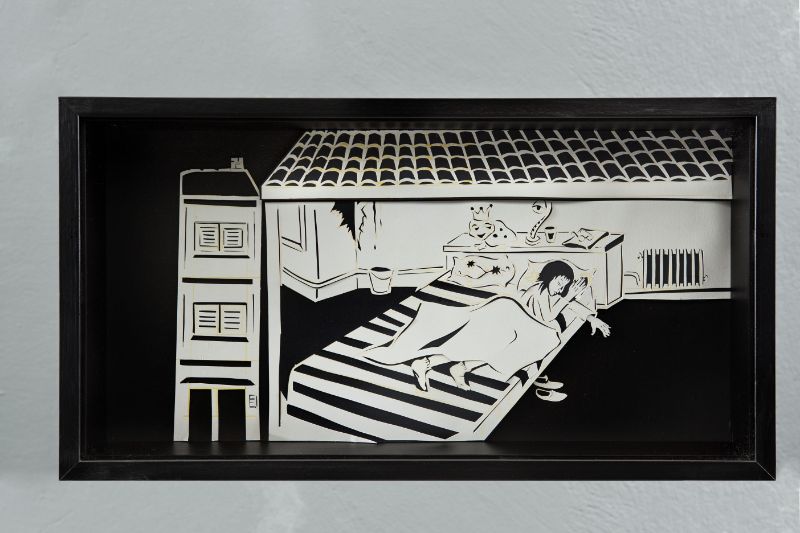
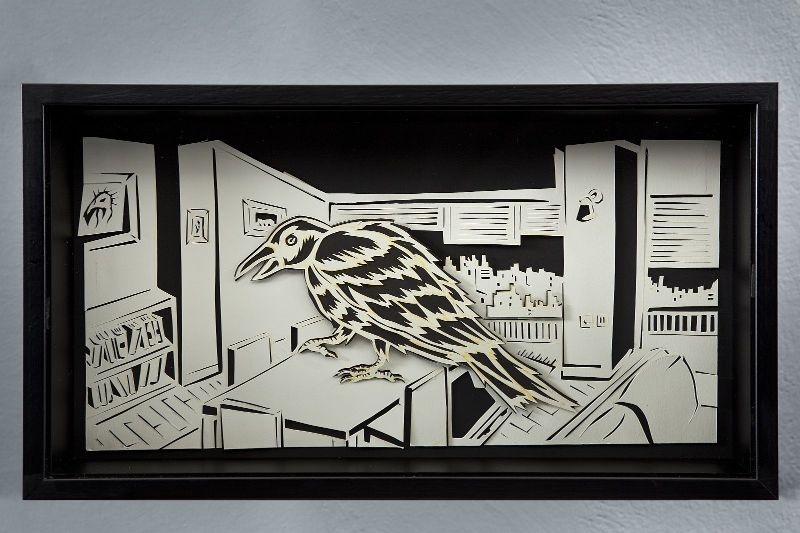
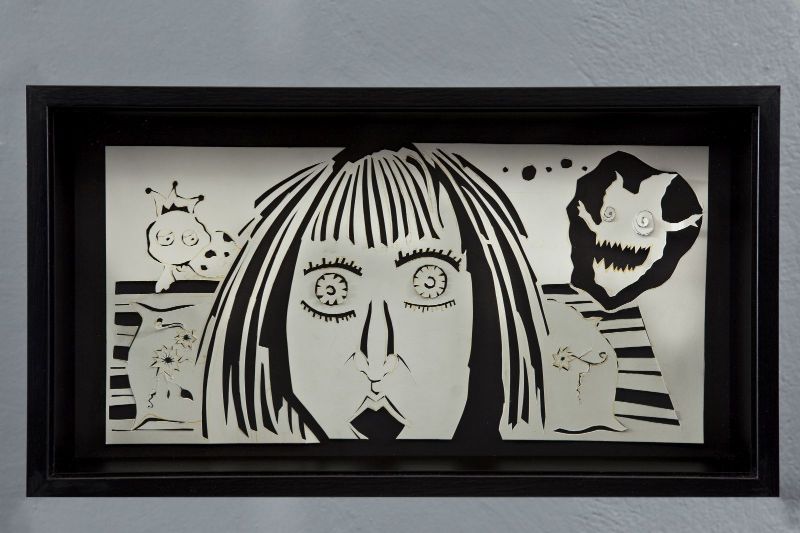
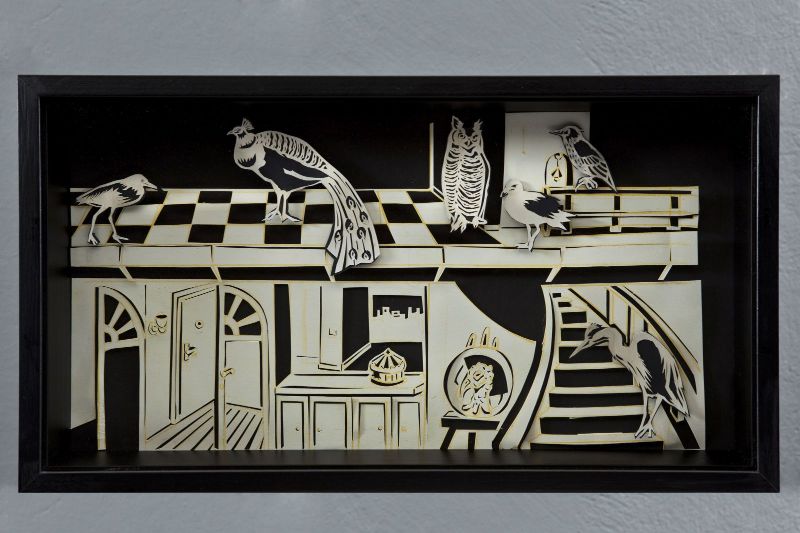
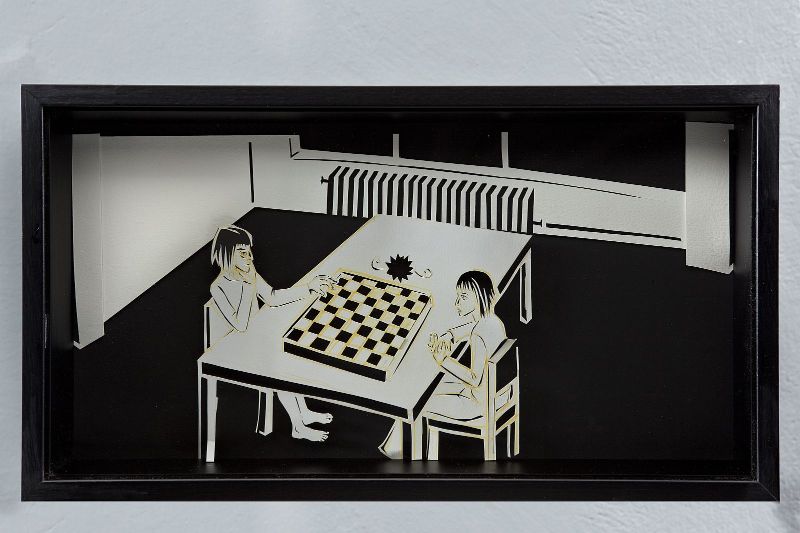
today is the time to fall / i don’t know why my tears
is far away from the truths / it is so hard for my face
to get used to this world defeated by itself / the dream that starts when i wake up
from the adrift forlorn dream / what nonsense whispers the events
you are right whatever you say / it is so hard for my face
to get used to this world defeated to itself / the dream that starts when i wake up
from the adrift forlorn dream / there is no one there
that solitude is no more / infinite worries are no more, no more
my wing flies without rules / it is impossible for me to wear out
no dying even for love, no more, no more
the dream that starts when i wake up /
from the adrift forlorn dream /
it is hard to get used to / do not cry
athena, when she wakes up.
The dreams are not in the language, they are the inside of the language.
They are loaded and woven with the images that are made possible by the language, but they cannot be expressed. They are almost formed by words but they are unwritable image-texts. These texts are read but somehow they cannot be quoted. They are understandable but indescribable. They are made of colors and sounds, fear and anxieties. This elusive world which comes out of words, though impossible to ascribe with words, is seen from the other side but only when the eyes are shut… Only in the dreams, perhaps, we have the privilege of seeing without looking. The luxury of seeing without looking…
Aldous Huxley mentions heaven and hell when he depicts the doors of the perception; it is not in vain that he refers to dreams:
“From the records of religion and the surviving monuments of poetry and the plastic arts, it is very plain that, at most times and in most places men have attached more importance to the inscape than to objective existents, have felt that what they saw with their eyes shut possesed a spiritualaity higher significance than what they saw with their eyes open. The reason? Familiarity breeds contempt, and how to survive is a problem ranging in urgency from the chronically tedious to the excruciating. The outer world is what we wake up to every morning of our lives, is the place where, willy-nilly, we must try to make out our living. In the inner world there is neither work nor monotony. We visit it only in dreams and musings, and its strangeness is such that we never find the same world on two successive occasions.”*
It is not in vain for Güneş Çınar to start from the dreams in her first solo exhibition. It is her desire to make the first solo exhibition highly personal. Not to cause any familiarity, to pause the chronic spleen, to take refuge in that place that is frequented only in the dreams and deep thoughts…
All the images that the young artist produced based on what she has experienced while her eyes were shut and the outermost of her consciousness was seen to her eyes; are the products of the struggle for including the inside of the language into language of art. Because the dreams are generally the cryptical expressions of the subconscious and therefore they cannot be understandable without any information about the dreamer. Moreover, dreams have a different logic than daily and familiar logic and they use a symbolic language that most of the people are unfamiliar with. Therefore dreams are one of the efficient ways to reach the unconscious.
Erich Fromm summarizes the most important feature of the dreams such: “To express the inner experiences as if they were sensory experiences and personal states is the principal feature of the dreams.“*
As they translate our inner and mostly unconscious sensual perceptions into perceivable sensorial stories and visions; dreams gives us the opportunity to see and take up the inner feelings, fantasies, abilities and tendencies that we are not aware of when we are awake.
So, what is waiting for the viewers while the dreams of the young artist are invited to the language of art in the exhibition for once?
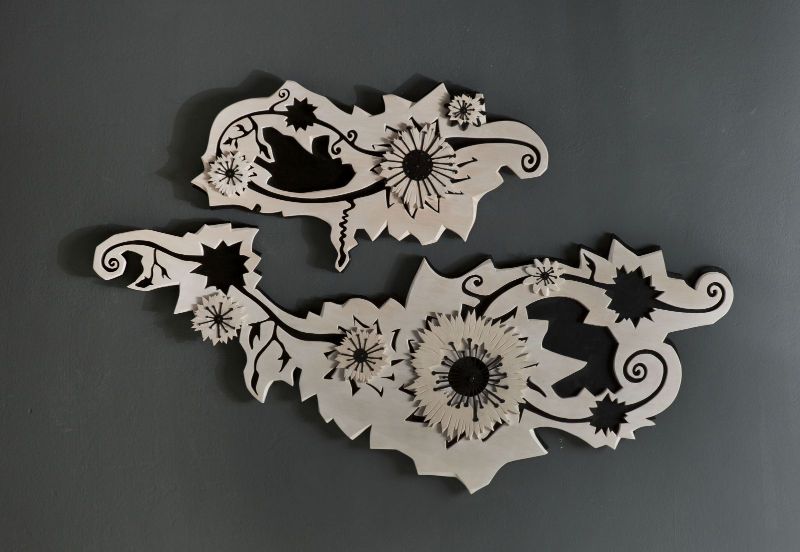
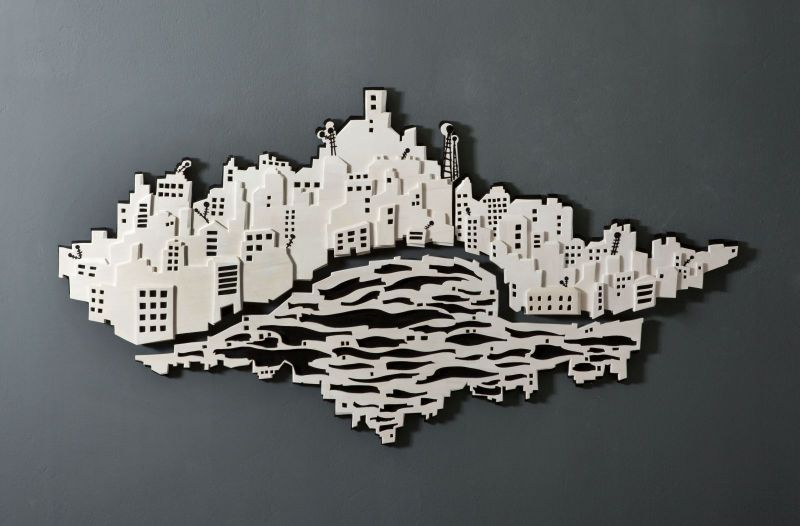
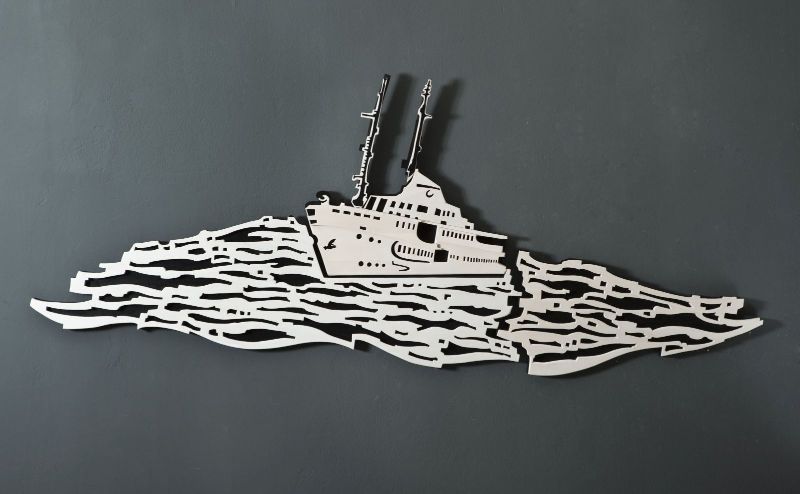
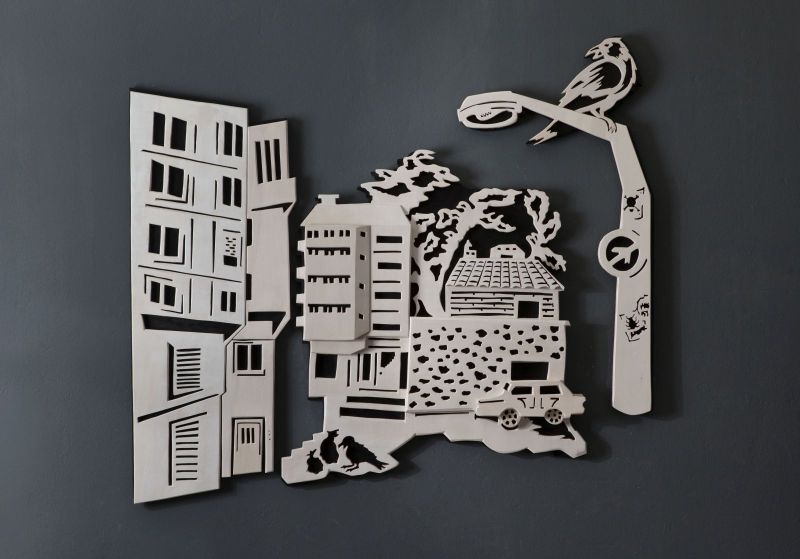
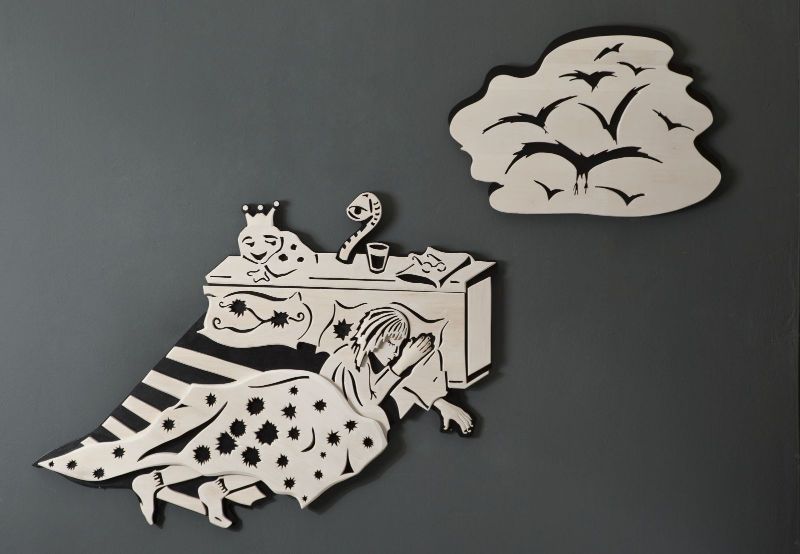
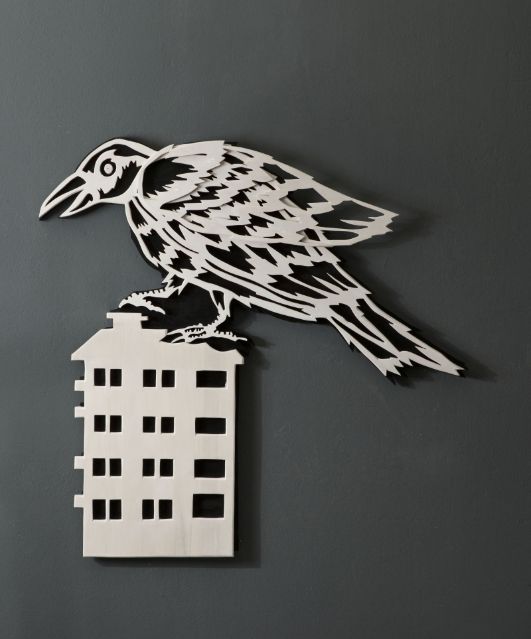
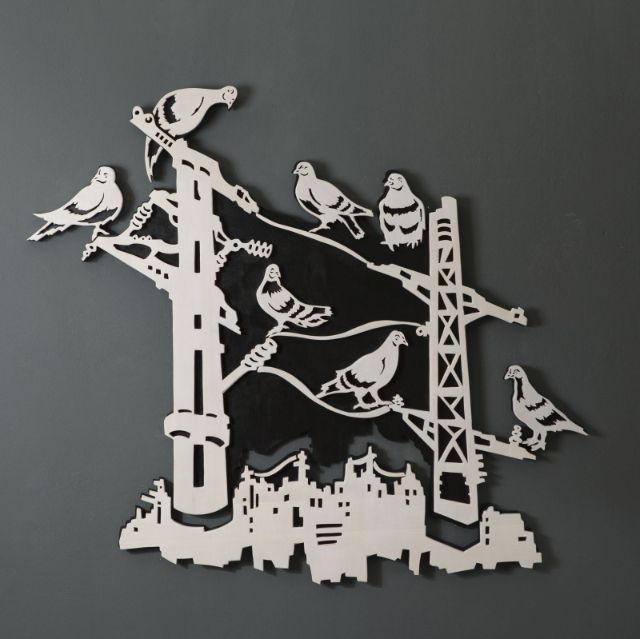
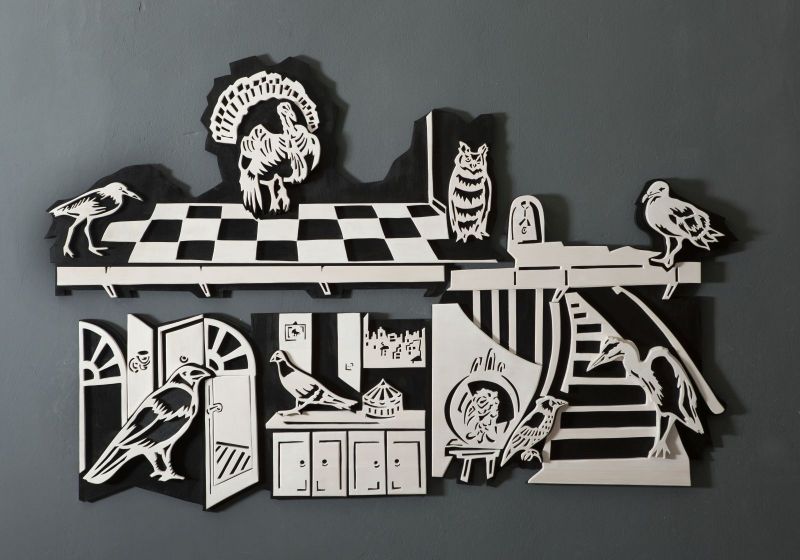
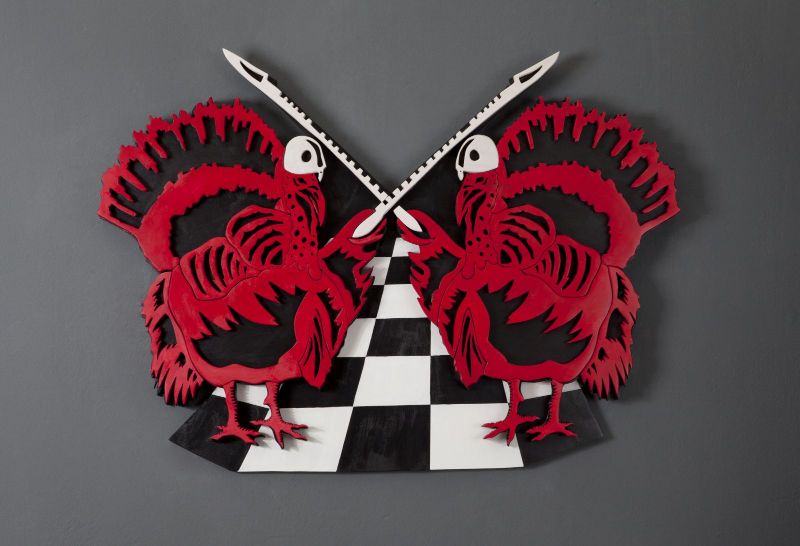
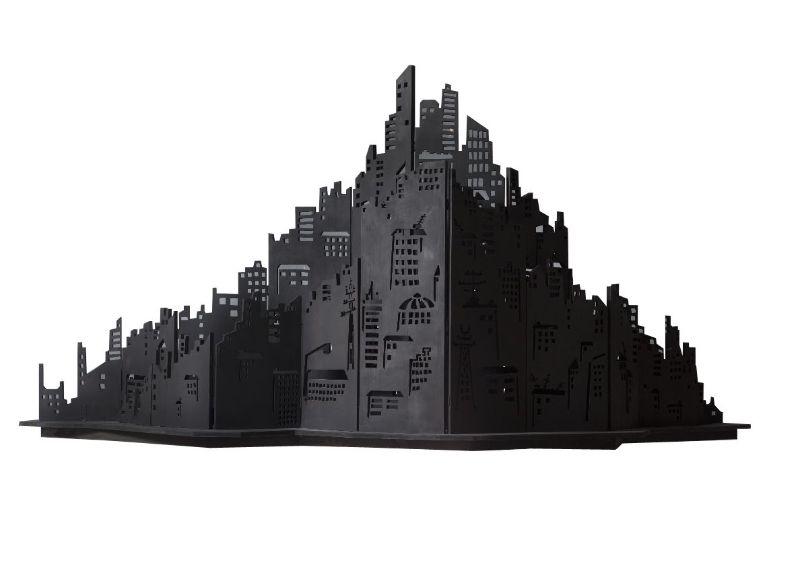
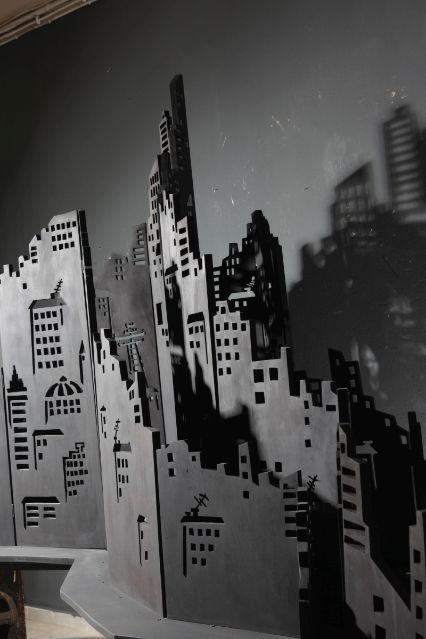
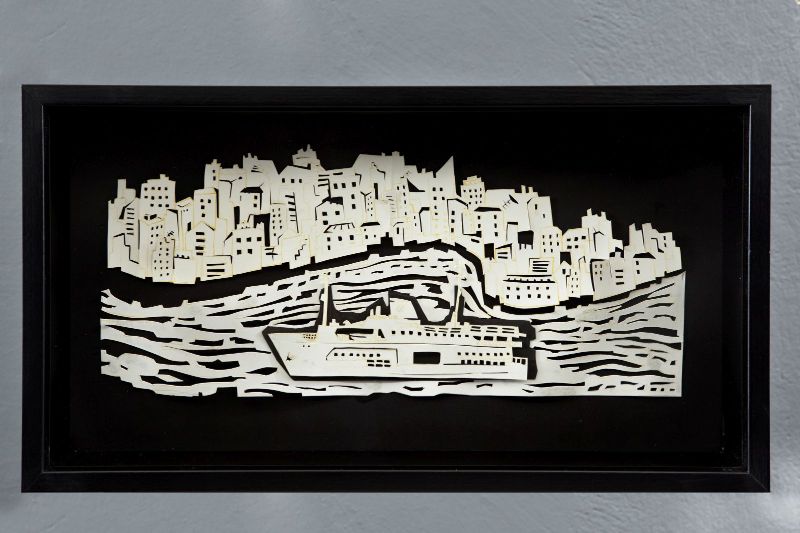
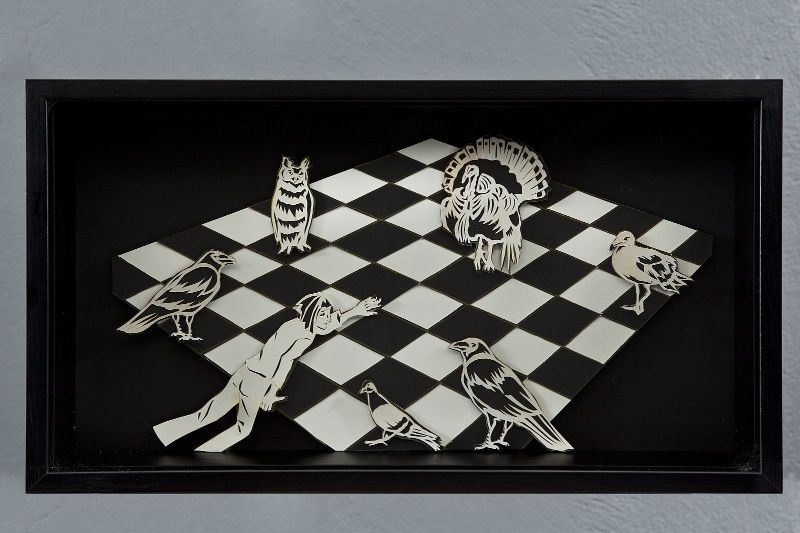
Wooden birds chiseled by hand, vertical plans that resemble to the fragments of a story which comes out one after another in the boards of linden wood, a city silhouette, wooden birds waiting for going out of the drawer… Having designed the exhibition in an open, penetrable way; Güneş Çınar runs towards a special form where she storages and forges not only the personal memory of her works but also the collective memory. She tries to find it. Just like an archeologist, she reveals what is left from her dreams and nightmares to the daytime by engraving and carving the wood. Eventually she unfolds what she saw with her eyes shut by bringing the remains of the night to the day.
The councils of birds or the wooden birds waiting in the drawer to go out of the dream into reality; create an open but incomplete stage. Each time, there is a different composition in this installation. What the artist witnessed with fear or excitement during the overnight journeys, try to become the subjects of a permanent dream, the hero of the open eyed people’s sensorial stories, by appearing in a more physical and concrete form.
This installation is indeed composed of an interpretation. More than being a dream teller, Güneş Çınar is in fact an interpreter, as she interprets what is invisible to eyes into something visible by eyes. Furthermore, she is an interpreter twice: first to herself, then to us; she interprets what her unconscious interprets to her through dreams; consciously, awake and by carving linden wood in her studio.
Representing the dream and the nightmare, but not trying to fight its impregnability, precisely emphasizes this. Basing on the impregnability of the art…
This exhibition, in a sense, is a place where the dream is publicised.
Can the stories seen before, the journeys made with unconscious… can every private image be publicised? Isn’t a told dream a dream anymore? Does it turn into a story with a given beginning and end or a knowledge explaining the character of the artist by opening out the “under” of her concsious?
Art has a collective memory formed with what is infiltrated of the artist’s and the viewer’s image worlds. It has a capacity to have a collective dream. And it leaves traces not only in the visual subconscious of the artist and the viewer but also in their visual conscious.
Güneş Çınar, in order to reach the hidden depths of the memory, keeps in mind both the heritage of the past dreams and nightmares, and the permanent memory traces left on the rich visual treasure of the dreams’ and nightmares’ remains. That is why this exhibition is not only the summary of the dreams, but also the introduction sentences of a personal story, as the hidden memory depths and the source of the symbols constituting the imagery world of the artist come up to the surface.
Çınar tries to build bridges between herself and her conscious, her subconscious and unconscious in the most personal way. As doing so, she desires to preserve her individuality. The conceptual framework of the artworks in this exhibition is composed of the question whether the dreams and nightmares of a person are shaped by the dreams and nightmares of the common memory.
Young artist tries to equalize the dreaming experience with the process where the artworks are experienced. Will the artworks itself be seen principally as a document in the archive of human dreaming experience? This is an important question.
* Aldous Huxley, The Doors of Perception, Heaven and Hell
* Erich Fromm, The Forgotten Language: An Introduction to the Understanding of Dreams, Fairy Tales, and Myths
"Ayşegül Sönmez From the exhibition catalogue, 2010 "